Article · January 1, 2024
Why Restaurants Should Think Like Tech Companies
Technology is poised to revolutionize how we dine. Discover why and how restaurants should think like tech companies to stay competitive.
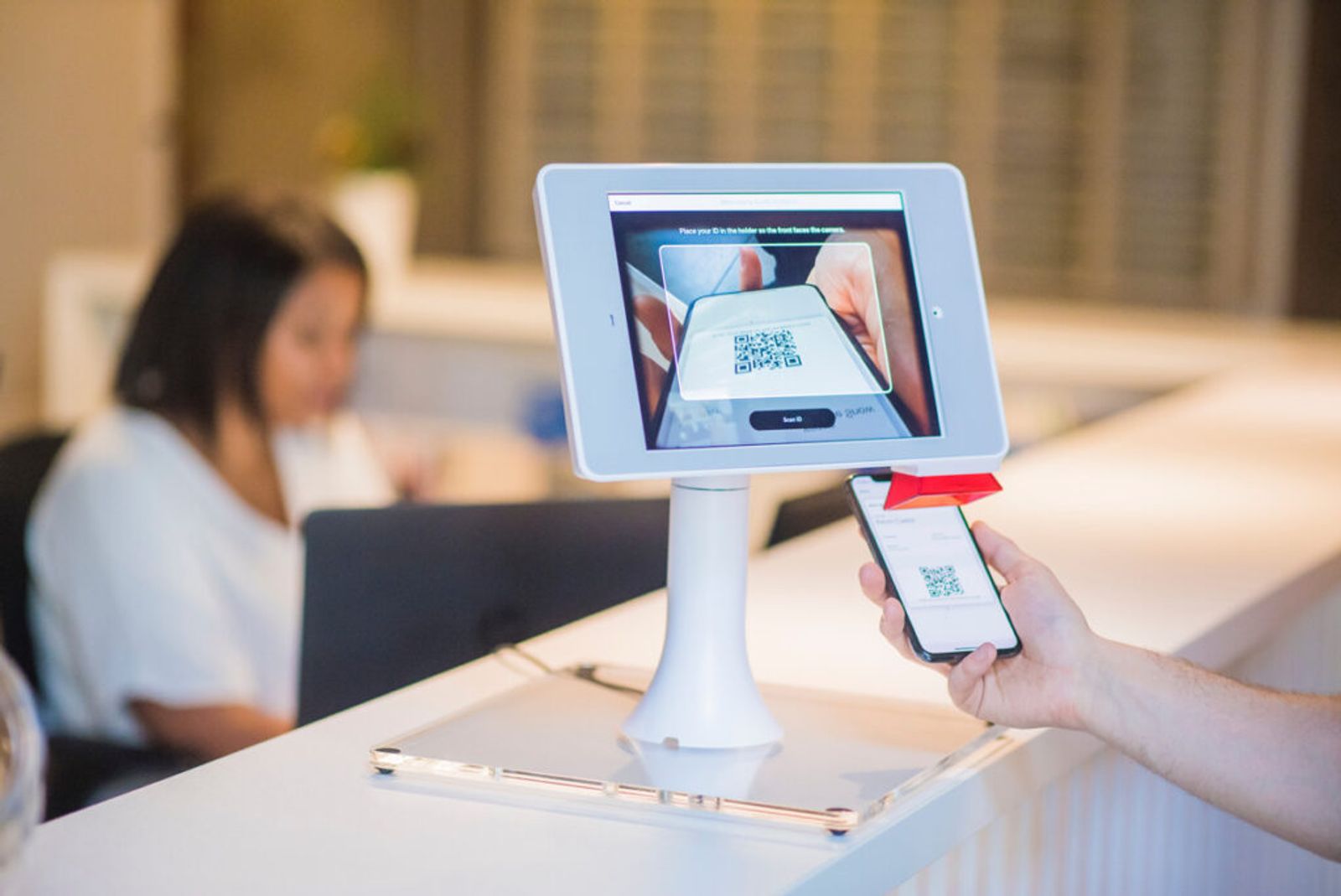
The restaurant industry has long provided a personal connection to its customers. But in the face of unprecedented challenges like staffing shortages, inflation, and supply chain issues, it’s time for restaurants to embrace a new way of thinking.Just as technology has helped—and disrupted—countless other industries, it’s now poised to revolutionize how we dine. And this revolution has already begun.
According to the National Restaurant Association’s 2022 State of the Restaurant Industry report, more than 8 in 10 operators said using technology in a restaurant provides a competitive advantage.That same report found that nearly 66% of operators expected technology and automation to expand in the industry. In the Quick Service Restaurant (QSR) segment, that number jumped to 78% of operators—pointing to the need for a solution to the industry’s ongoing labor shortage.By embracing technology, restaurants can weather the storm and emerge stronger and more innovative. Here are how restaurants can “think like a tech company” to re-examine employee roles and responsibilities and lean into technology to increase operational efficiency.
Automating the Front of the HouseThe average restaurant employee’s tenure is just 110 days, according to a recent 7 Shift study. Ongoing staffing challenges have led restaurants to embrace technology solutions, especially in the front of the house where turnover is high.Automating the front of the house can help restaurants address ongoing staffing challenges, and many are turning to technology solutions that can improve the customer experience while reducing the burden that front-of-the-house employees face.Self-serve technology, such as a Yelp Kiosk or QR codes, allow customers to check themselves in, view wait times, and receive notifications when their tables are ready—all without requiring the assistance of a staff member.In fact, ask consumers, and they’ll likely tell you that’s what they prefer as well. According to research from Deloitte, nearly 7 out of 10 diners prefer to order using self-ordering technology.
This allows customers to take their time in deciding what they want, rather than having to choose quickly when ordering from a cashier or waitstaff.This single piece of technology can help free up front-of-the-house staff members so they can focus on other tasks like food running and seating. Hollywood’s Blu Jam Cafe is a great example of how embracing technology can have a big impact on how the restaurant functions. Blu Jam had already implemented NCR Aloha, a restaurant POS system that provided core capabilities and advanced business intelligence, before the pandemic hit.
This allowed them to quickly adapt their business model to comply with stay-at-home orders and maintain sales and revenue. The restaurant also moved to self-service, QR code-based ordering. This move has reduced labor requirements by 8%.
Approximately 95% of the restaurant’s pickup orders are also coming directly through its website. Offering live wait times to customers can be a major advantage for restaurants as well, especially during peak dining hours when wait times can be unpredictable. Customers can make informed decisions about where to eat, and restaurants can better manage their seating capacity and reduce the risk of losing potential customers who may decide to go elsewhere if they think their wait time may be too long.
This can ultimately lead to better customer satisfaction and improved revenue for the restaurant.By leveraging technology solutions like QR codes and self-serve waitlist features, restaurants can improve the customer experience while reducing the burden on front-of-house staff. Contactless Experiences Continue One trend that has emerged in the wake of the pandemic is the popularity of contactless experiences, such as curbside pickup, mobile ordering, self-ordering, and kiosks.By offering these options, restaurants can cater to customers who prefer contactless experiences. Contactless experiences can also streamline operations because they reduce the need for staff interaction and can minimize touchpoints between customers and employees.In fact, Harvard Business Review research found that customers spend between 12% and 22% more when they order using their eyes and by touch.
Using upsell technology, restaurants can suggest adding an item to the customer’s order that complements another item currently on their order.Of course, to make the most of these technology solutions, restaurants must have a unified system in place to ensure that all staff is on the same page. This process may involve integrating various software platforms to create a seamless experience for staff and customers. By doing so, restaurants can improve their efficiency, reduce errors and ultimately provide a better experience for their customers.
Adopting a Tech Company MindsetTech companies recognize the need for an omnichannel strategy that delivers exceptional customer experiences across all touchpoints. Restaurants must do the same—from in-person dining to online ordering, delivery, and even personalized experiences.Much of this same technology that broke through during the pandemic has offered restaurants the opportunity to increase customer satisfaction levels and upsell revenue. By leveraging technology solutions like integrations with loyalty programs, restaurants can capture consumer data intelligence and execute suggestive selling—driving higher ticket sizes and repeat business.
Customers rely heavily on online reviews and social media to find and choose restaurants, making it essential for restaurants to have a strong online presence. This means having a user-friendly website, robust social media profiles, and reliable online ordering and delivery systems.Another critical factor for restaurants to consider is the potential for digital data to improve the employee experience and optimize inventory management. By leveraging digital tools, restaurants can streamline processes, optimize their inventory and provide employees with the resources they need to do their jobs effectively.Restaurants that embrace technology and adopt a customer-centric, data-driven approach can stay competitive and thrive in a rapidly changing landscape.
More from The Gist
Report ·June 24, 2026
The Nostalgia Economy
Brands are betting big on nostalgia. We look at why the fascination with the past has such a massive imprint on the present.
Article ·June 17, 2026
Quiet Luxury in Brick and Mortar
Retail fashion trends come and go. Find out more about one concept that seems to be here to stay - quiet luxury.
Article ·June 10, 2026
Retailtainment and the Gamification of Retail
Step into a world of retailtainment, where customers can do more than shop, they can immerse themselves in playful multi-sensory experiences.