Article · January 1, 2024
The QSR Prototype Is Broken. Here's How to Fix It. - Chute Gerdeman
The store prototype was once a promise... but that promise expired.
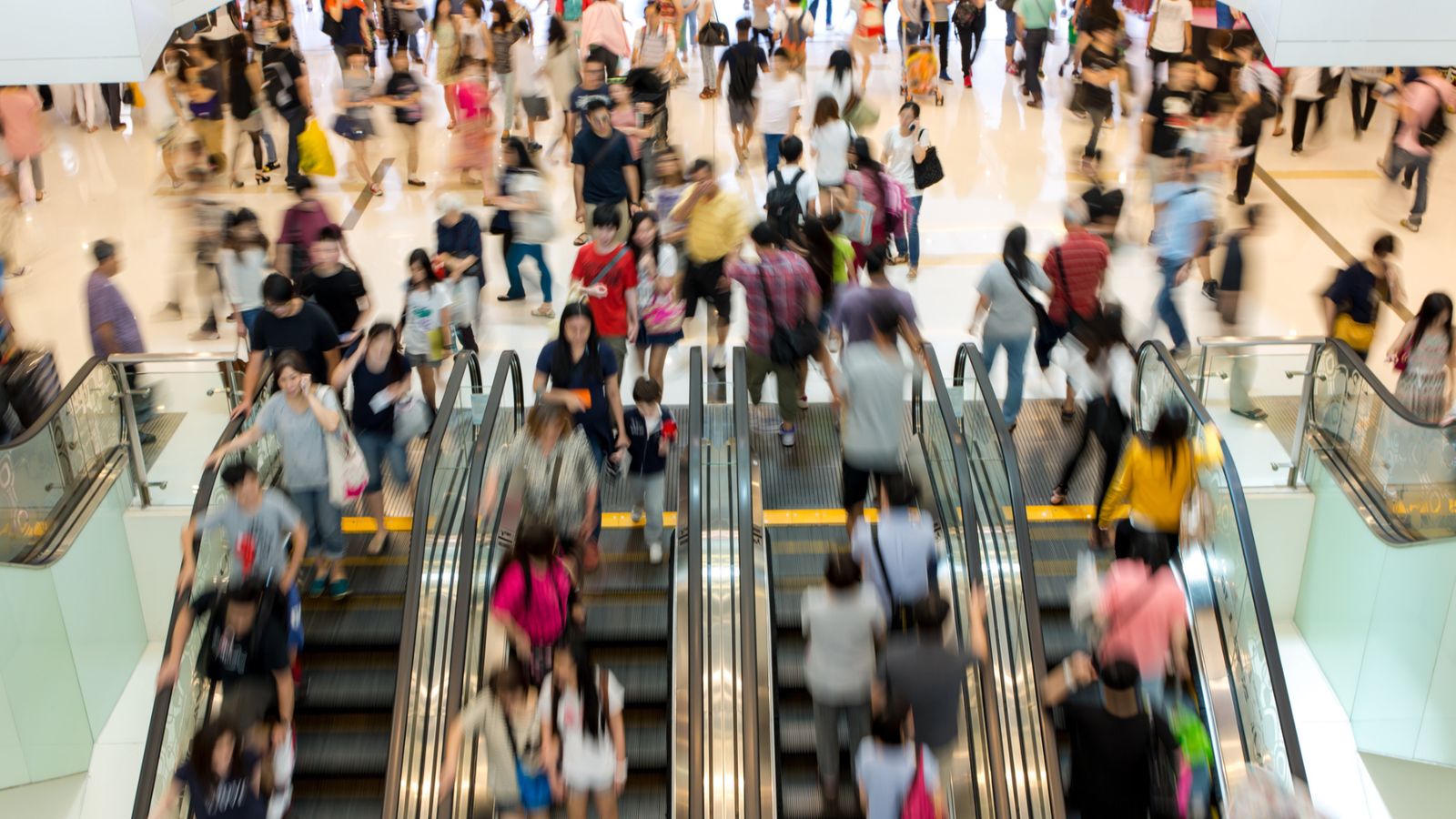
The store prototype was once a promise... The store prototype was a promise. Walk into any location, anywhere in the country, and you’d get the same signage, the same seating, the same experience.
That consistency was the point. It streamlined construction, reduced costs, and built brand recognition at scale.But that promise has evolved.The cookie-cutter prototype no longer fits the consumer, the market, or the operational realities facing QSR brands today, and brands still clinging to it risk losing ground. The question isn’t whether to evolve the prototype.
It’s whether you’ll lead that evolution or react to it too late.At Chute Gerdeman, we’ve designed and built QSR environments for decades. We’ve seen what works, what fails, and what the next generation guest demands. Here’s our read on where the prototype should unfold.
Off-premises has become the primary channel. Drive-thru, curbside, and third-party delivery aren’t secondary anymore. For many brands, they’re the majority of revenue.
A prototype designed for dine-in as the default is already working against your operations. The physical layout has to be engineered around how guests actually order today, not how they ordered a decade ago.Technology integration can’t be an afterthought. Digital ordering systems, AI-powered kitchen management and app-driven demand spikes aren’t future considerations.
Even five years ago it was difficult to design and build a kitchen for innovation like this. The prototype has to anticipate tomorrow’s systems with enough infrastructure flexibility to scale up or swap in new tools without a full gut renovation.Labor efficiency is a design problem. Staffing costs and shortages have made every square foot of back-of-house a performance metric.
Inefficient kitchen flow, congested front-of-house layouts, and single-lane drive-thrus are operational liabilities. The new prototype must be designed for a leaner team operating at a higher output. That’s an experience design challenge, not just an operational one.Sustainability is no longer a differentiator — it’s a baseline.
They notice energy use, material choices, and whether a building feels like it belongs in its community or was dropped in from a franchise playbook. A prototype that looks at home in a suburban strip mall is going to feel wrong in a dense urban corridor. Brands that treat sustainability as a checkbox are missing the deeper issue: authenticity drives loyalty.
What the New Prototype Actually Looks Like The most important shift in QSR prototype thinking is this: stop designing a single building and start designing a flexible framework.Taco Bell’s “Defy” concept — four dedicated drive-thru lanes, a second-story kitchen, a completely reimagined ordering experience — is the right kind of provocation. It asks the question every brand should be asking: if we started from scratch, knowing what we know now about how guests behave, what would we actually build?Here’s what we’re designing and recommending:Multiple format tiers, not one prototype. Each format serves a distinct market need and a distinct context from real estate opportunity to consumer lifestyle.
The prototype system has to accommodate all of them while maintaining brand coherence across every touchpoint.Kitchen-first design. The back of house drives everything else. Staff movement, speed of service, order accuracy, and the guest experience at the front thrive on intuitive kitchen organization.
More from The Gist
Report ·June 24, 2026
The Nostalgia Economy
Brands are betting big on nostalgia. We look at why the fascination with the past has such a massive imprint on the present.
Article ·June 17, 2026
Quiet Luxury in Brick and Mortar
Retail fashion trends come and go. Find out more about one concept that seems to be here to stay - quiet luxury.
Article ·June 10, 2026
Retailtainment and the Gamification of Retail
Step into a world of retailtainment, where customers can do more than shop, they can immerse themselves in playful multi-sensory experiences.