Article · January 1, 2024
The Loudest Problem Nobody's Talking About - Chute Gerdeman
Chute Gerdeman - award-winning retail design and branding: Retail Experience Design
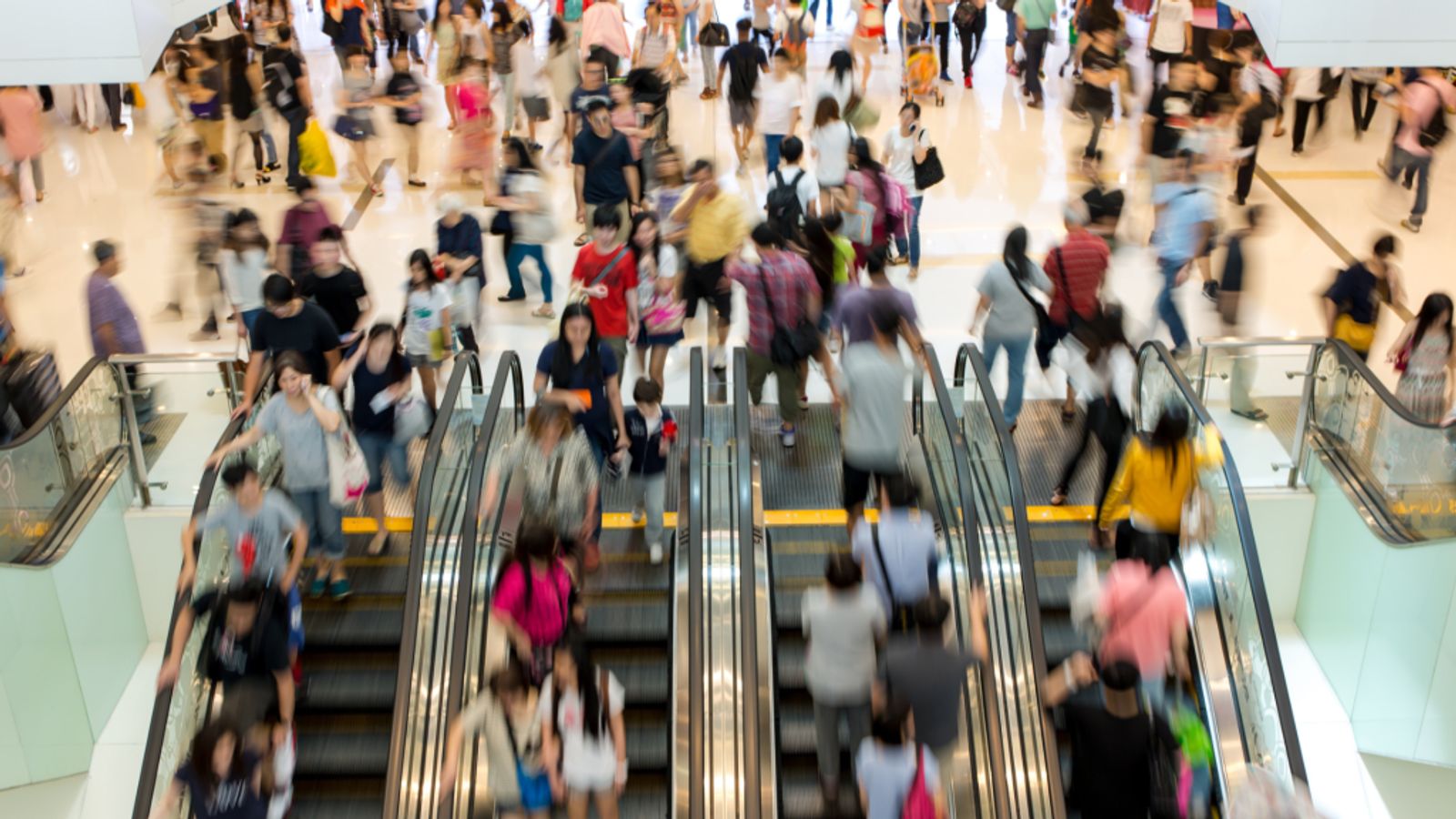
The Loudest Problem Nobody’s Talking About Chute Gerdeman and ASG hosted “Noise in Retail” on June 5 in New York City. Here’s what the room walked away with…and what retail leaders can do next Retail tracks everything. Conversion, basket size, NPS, comp sales, shrink, average transaction value.
We obsess over what moves the needle and why.But there is one variable that affects every one of those metrics, sits inside every store, and almost nobody is measuring it: sound.On June 5, Chute Gerdeman and ASG, in partnership with Akoio, brought together fifty senior retail leaders at Convene 237 Park Avenue in New York to have a conversation the industry has been avoiding. Two panels, a live audiology presentation, a decibel reader running in real time at the front of the room, and one message that nobody left the building without: you can’t unhear this now.We Got Everyone’s AttentionThe Akoio and ASG research team conducted in-store auditory audits across multiple retail environments. OSHA considers 85 dB the threshold for hearing damage with prolonged exposure.
Both of those stores are operating at or above that line, day in and day out, with employees standing in them for eight hours at a stretch.For context: a busy bar runs around 90 dB. Most retail stores peak in the mid-90s. A fire truck going by is 100 dB.
Customers walk in from that environment expecting relief. Most of the time, they don’t get it. When store environments spike near recognized occupational noise thresholds, leadership should not treat sound as atmosphere.
It is an operational input.Customers may spend twenty minutes, forty minutes, or an hour inside a store. Associates spend full shifts there. What feels energetic to a shopper can become exhausting to the person expected to sell, solve, restock, greet, recover, and smile through it all day.Sixty-eight percent of working Americans factor noise levels into their decision to accept a job.
Eighty-two percent of shopping decisions are made with a customer physically present in the store. Those two statistics tell the whole story. Noise is not just a design problem.
It is a talent problem, a customer experience problem, and a business problem.The Employee Side Is Where It Gets SeriousRetail already has a well-documented retention problem. Exact turnover and replacement-cost estimates vary by source and brand, but the pattern is consistent. Frontline workers are difficult to retain, expensive to replace, and central to the experience customers remember.
Industry figures put annual turnover at 60 to 81 percent. Seventy-two percent of those people leave retail altogether. The cost to replace a single retail employee runs between $7,500 and $10,000 when you account for job posting, interviews, training, and onboarding.
The math gets uncomfortable fast.What the room heard is that noise sits inside that equation. McKinsey identifies health and well-being as the third most common reason employees leave retail. Sound is not the whole story, but it is one of the conditions employees endure longer than anyone else in the store.
The physiological effects go well beyond fatigue. The World Health Organization links excessive noise to health impacts that include annoyance, sleep disturbance, hearing impairment, tinnitus, cognitive impairment, hypertension, and ischemic heart disease risk. CDC/NIOSH reports that approximately 12 percent of all retail trade workers have hearing difficulty and about 7 percent have tinnitus.
More from The Gist
Report ·June 24, 2026
The Nostalgia Economy
Brands are betting big on nostalgia. We look at why the fascination with the past has such a massive imprint on the present.
Article ·June 17, 2026
Quiet Luxury in Brick and Mortar
Retail fashion trends come and go. Find out more about one concept that seems to be here to stay - quiet luxury.
Article ·June 10, 2026
Retailtainment and the Gamification of Retail
Step into a world of retailtainment, where customers can do more than shop, they can immerse themselves in playful multi-sensory experiences.