Article · January 1, 2024
The Great Restaurant Recalibration - Chute Gerdeman
Entering a post-pandemic era, the great restaurant recalibration takes a deeper look at the on-and off-premises experience.
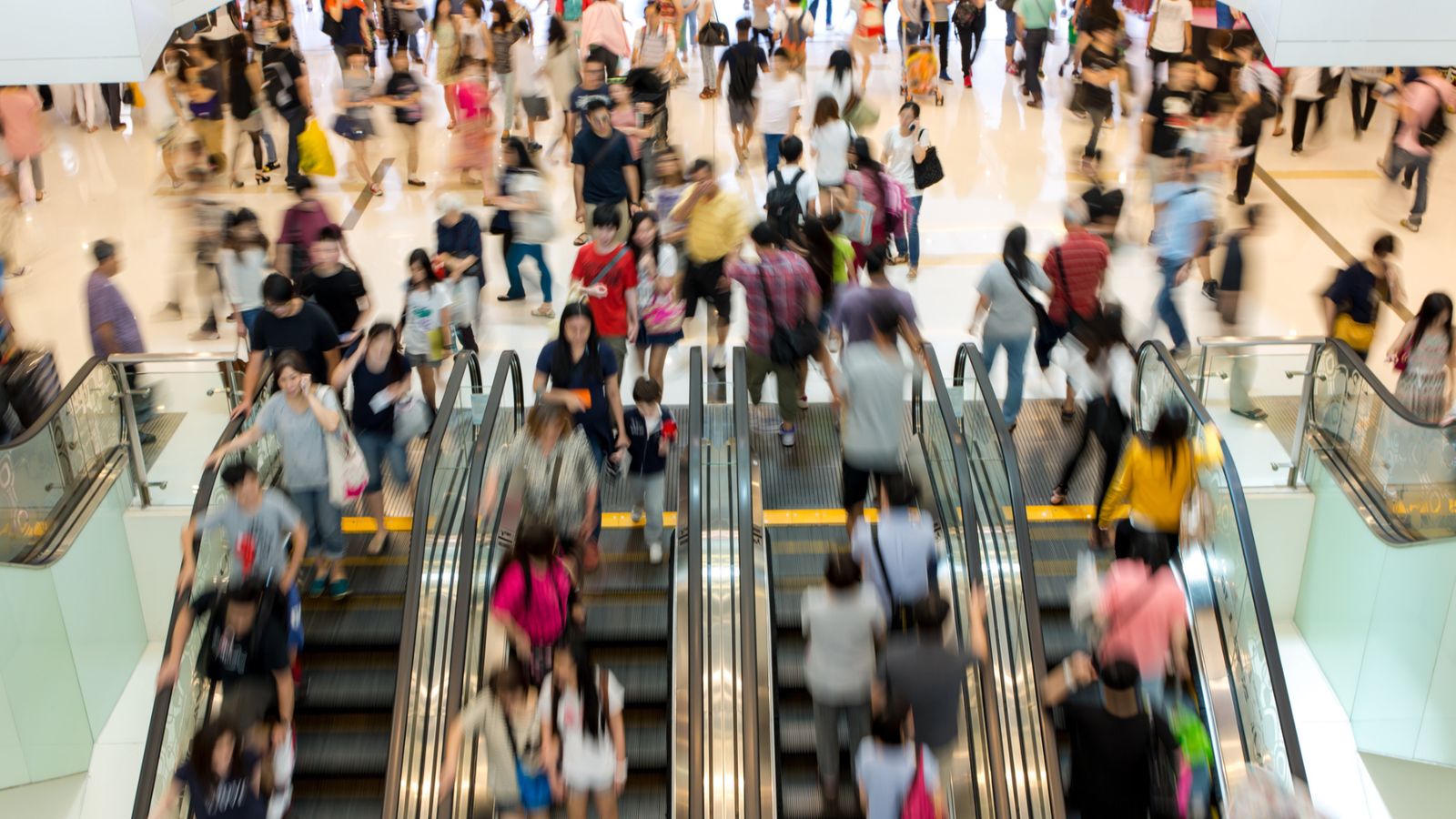
The Great Restaurant Recalibration [vc_row][vc_column][vc_column_text]Until a year and a half ago, most of the substantial changes in the restaurant industry were intentional, brought about by strategic business goals, and influenced by consumer behaviors. Even disruptive advancements were deeply rooted in planned innovations. The industry had yet to experience the extreme environmental factors of the pandemic, which brought us to the great restaurant recalibration.
Almost overnight, restaurants had to push forward at warp speed to rethink access. From the drive-thru to pick up and delivery, all touchpoints needed to be reassessed to better suit consumers’ off-premises needs. At the same time, the dine-in experience dwindled into virtual non-existence.[/vc_column_text][movedo_empty_space][movedo_single_image image=”31135″ retina_image=”31135″][movedo_empty_space][vc_column_text]Consumer behaviors were forever changed.
Online ordering and mobile apps became a part of everyday use, while pick-up and deliveries reached all-time highs. Strangers dropping food at consumers’ doors became more common than maybe even FedEx deliveries. The distance and disconnect between food preparation and food consumption was inconceivable.
While the world is now reemerging to a new normal, questions about on-premises dining arise. Do restaurants still need dining rooms? One we know all too well in when it comes to retail.
But if we look back at historical outcomes, we have some insight into what the industry will look like after the great restaurant recalibration.[/vc_column_text][/vc_column][/vc_row][vc_row][vc_column][movedo_title line_type=”line”]A Point of Reflection[/movedo_title][vc_column_text]During the recession in 2008, we watched stores close in mass. Retailers had overextended development, stores were oversized and underutilized, and markets were saturated. Ecommerce surged and put some of the biggest pure-play brands on the map, and many industry analysts confidently claimed the death of brick and mortar.
The reality was the retail industry needed to level set to match consumer demands and consumption realities. Retailers were forced to refocus on consumer lifestyles and not just factors for increasing foot traffic. Efforts began to optimize ecommerce, create efficiencies, establish a social connection with consumers, and rethink the in-store experience.
The bottom line, they put in the work to remain relevant. Even with the most recent events of the pandemic, retailers that survived and, in some cases, thrived had channel strategies in order. Initiatives like BOPIS and delivery became priority vehicles to support consumers’ essential needs.
And while brick and mortar took a temporary back seat, the physical space served vital for distribution in many cases. All indicators would suggest a return. As we look at the future of the on-premises restaurant experience, we can’t look beyond what we learned.[/vc_column_text][/vc_column][/vc_row][vc_row][vc_column][movedo_title line_type=”line”]Delivery-Only Demand[/movedo_title][vc_column_text]Will fast-food, fast-casual, and casual dining restaurants ghost the dine-in experience for good?
Doubtful, but the future of restaurants will likely include virtual kitchen operations as a part of the new restaurant equation. As the industry continues to struggle with labor shortages and 3rd-party apps have transformed how restaurants are discovered, delivery-only kitchens are gaining ground. Euromonitor recently estimated that ghost kitchens alone might lead to a $1 trillion global opportunity by 2030.
Further claiming a stake in the sector, ghost kitchen concepts are poised to potentially grab 50 percent of drive-thru service (good for $75 billion) and 25 percent of dine-in (nearly $450 billion).[/vc_column_text][movedo_empty_space][movedo_single_image image=”31136″ retina_image=”31136″][/vc_column][/vc_row][vc_row][vc_column][movedo_title line_type=”line”]Need for Visibilty[/movedo_title][vc_column_text]Much like brick-and-mortar retail, there’s still an element of trust and brand awareness that comes with having a physical location. Something Epic Kitchens has come to realize over time. The foodservice brand started in Chicago as a traditional ghost kitchen operator renting bays in a CloudKitchen facility to support as many as 14 restaurant delivery-only concepts.
More from The Gist
Report ·June 24, 2026
The Nostalgia Economy
Brands are betting big on nostalgia. We look at why the fascination with the past has such a massive imprint on the present.
Article ·June 17, 2026
Quiet Luxury in Brick and Mortar
Retail fashion trends come and go. Find out more about one concept that seems to be here to stay - quiet luxury.
Article ·June 10, 2026
Retailtainment and the Gamification of Retail
Step into a world of retailtainment, where customers can do more than shop, they can immerse themselves in playful multi-sensory experiences.