Article · January 1, 2024
Self-Checkout: The Good, The Bad & The Future
Check out our exploration of the self-checkout argument and take a glimpse into the future of what's after self-checkout.
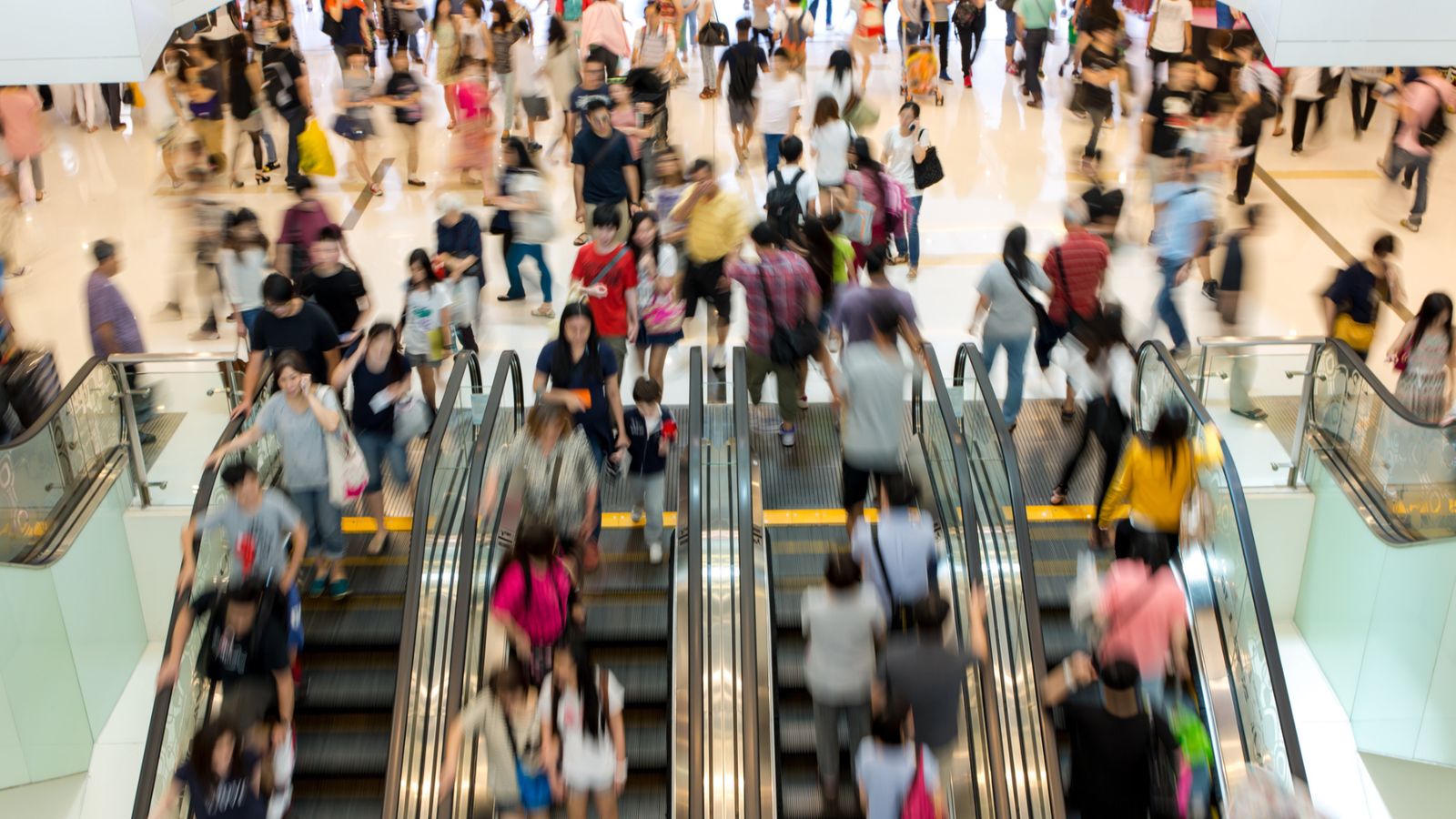
When it comes to self-checkout, there are two types of consumers. Some shoppers love it because they can control how they bag their items and how quickly they can complete their shopping. And then there are the consumers who hate it.
They feel they are taking a job from someone. Or worse, they think the store is making customers do work they should be paying someone else to do.Retailers are on both sides of the fence regarding self-checkout, too. Some retailers claim it is leading to insurmountable levels of theft.
Others believe it is the only way to keep consumers happy and loyal. As with anything, the truth is probably somewhere in the middle. We explore both sides of the argument and look into the future to see what’s after self-checkout.
The Argument Against Self-CheckoutThere are a growing number of retailers, consumers, and even politicians speaking out against the idea of self-checkout. They complain that self-checkout is inefficient, takes jobs from others, and is responsible for increases in theft. Even Walmart, which rolled out self-checkout to streamline services, is complaining about how much additional theft it’s causing.
One Rhode Island lawmaker insists self-checkout is taking away jobs and has introduced a bill to limit them.The issues some consumers have with self-checkout are legitimately troubling, including:Stores that add employees and technology to “gatekeep” shoppers leaving their stores taking away from the convenience factor that makes self-checkout attractive in the first place. “Too often, technology is being used to turn customers into employees, without there being a sufficient benefit for the customers.” – ZDNetSecurity is applied inconsistently to self-checkout customers, with people of color far more likely to be targeted.Many people want to check out with a human and have a moment of engagement, even when self-checkout is more convenient.Some retailers are removing self-checkout from their stores because of the extensive merchandise losses. Grocery giant Wegmans rolled out a mobile check-out app that allowed customers to scan items as they were added to the cart.
The shopper then scanned a bar code at the register to pay.Despite investing significantly in the technology, they’ve completely halted the program, stating, “the losses we are experiencing from this program prevent us from continuing to make it available in its current state.” Those losses were reported to be upwards of 20 percent—certainly unsustainable for any retailer.Other stores have hired additional staff in an attempt to deter theft. The steps they are taking—having employees check receipts, verify items in the cart, and more, are not being embraced by consumers. “After all this fuss about not needing personnel, and how replaceable their drones are, they’ve decided to shove off more hassle on their customers by making people wait in line to leave as someone ‘checks’ their bags to match items.” - American Genius The Case for Self-CheckoutOn the other side of the fence are the pro-self-checkout consumers and retailers.
And six out of 10 grocers say self-checkout is the key to loyalty. There are even some consumers who refuse to shop at stores that don’t offer self-checkout. Recently, AAFES (Army Air Force Exchange Service) added it, and self-checkout is expanding in several retail segments, not just grocery stores.
Other retailers are embracing self-checkout, including H&M and Zara. Some shops in the UK, including certain Sainsbury locations, are considering going strictly self-checkout.“I don’t know a ton of people who say, ‘I love the part where I wait in line, and they ring up all my stuff,’ ” says Gianna Puerini, vice president of Amazon Go, in an interview in the Chicago Tribune.Self-checkout is also becoming a must-have in convenience stores, as they are usually running tight on labor with only one or two employees in the store at a time. Self-checkout frees the employees to focus on things like stocking and making sure bathrooms are clean.Tyler Curtis writes on Fee.org that “there is much about self-checkouts to praise.” Among the praise-worthy factors are the following:No one handles groceries as carefully as the consumer.Self-checkout is often much faster, especially for consumers who are tech-savvy.The argument about self-checkout replacing jobs doesn’t really hold water.
What No One Is Talking AboutGood or bad, self-checkout is solving a problem for retailers that aren’t easily solved right now: it stretches the labor pool. One person can monitor and manage three or more self-checkouts. Last year, when finding frontline retail employees was a challenge and every retailer was short-handed, self-checkout was better than the alternative of not being able to serve customers at all.Now, with layoffs looming and employee dissatisfaction on the rise, self-checkout technology may be the only thing that keeps consumers returning to the store instead of ordering online.Retailers must provide a solution that is primarily designed to create a great consumer experience.
That means no one is standing over them, scrutinizing their self-checkout performance. Rather, it means reassuring consumers that automation doesn’t take away jobs but instead provides the opportunity for the people who work for them to develop more specialized skills that allow them to earn more. It needs to truly deliver as promised: more convenient, faster, and easier.
More from The Gist
Report ·June 24, 2026
The Nostalgia Economy
Brands are betting big on nostalgia. We look at why the fascination with the past has such a massive imprint on the present.
Article ·June 17, 2026
Quiet Luxury in Brick and Mortar
Retail fashion trends come and go. Find out more about one concept that seems to be here to stay - quiet luxury.
Article ·June 10, 2026
Retailtainment and the Gamification of Retail
Step into a world of retailtainment, where customers can do more than shop, they can immerse themselves in playful multi-sensory experiences.