Article · January 1, 2024
How Design Drives Growth and Loyalty in Grocery Retail
Grocery retail is evolving into immersive, tech-savvy spaces that boost sales, loyalty, and engagement through experience-driven design.
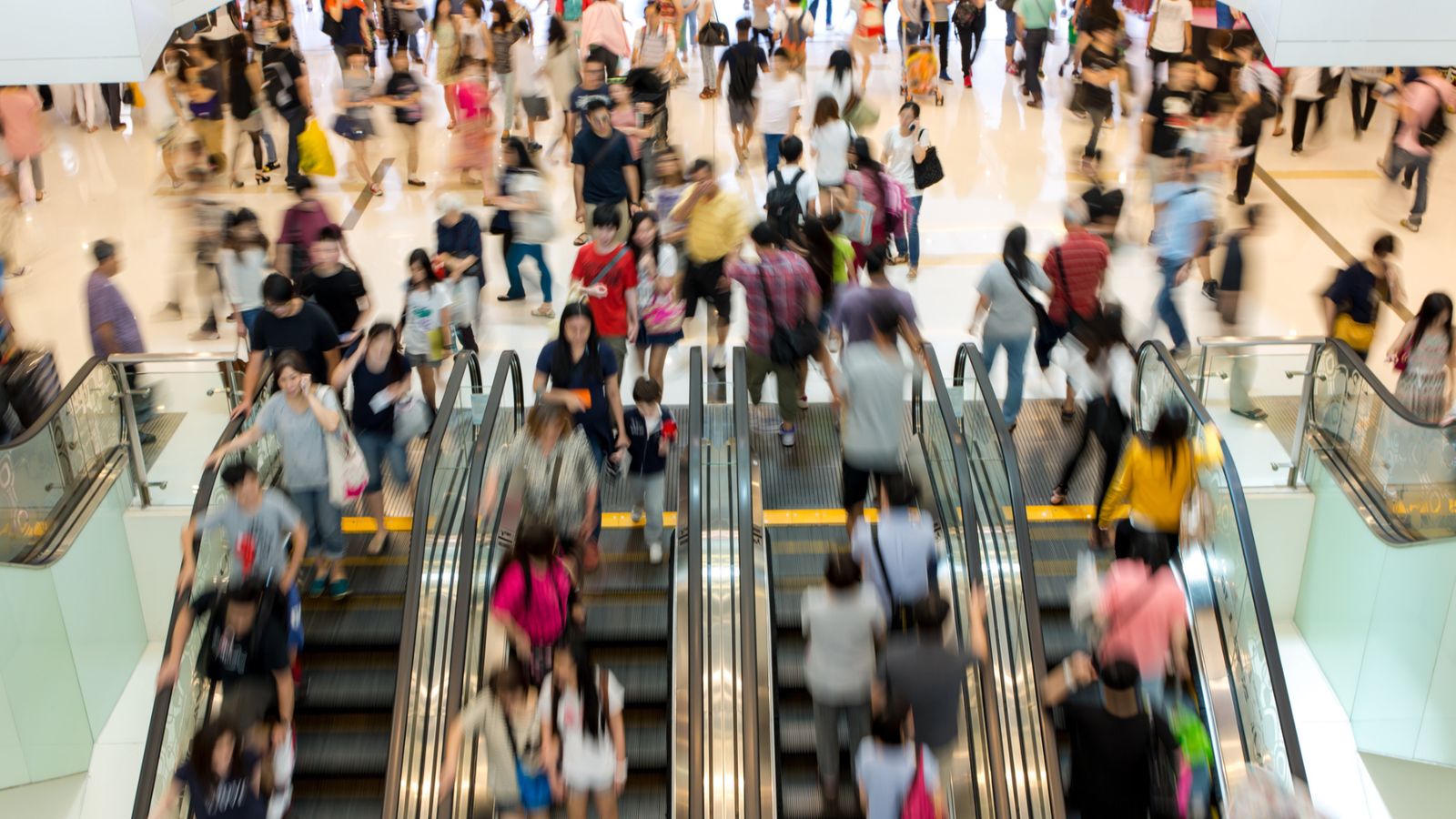
How Design Drives Growth, Loyalty, and Experience in Grocery Retail Grocery stores are becoming immersive, tech-savvy spaces that boost sales and loyalty through experience-driven design. Grocery stores are no longer just places to buy food—they’re evolving into dynamic, experience-driven spaces that cater to modern consumer expectations. Retailers that integrate experience-led design are seeing a 15-20 percent increase in dwell time and higher average basket sizes, proving that store transformation directly impacts revenue.
Shoppers today demand more than just efficiency from grocery retail; they seek convenience, engaging environments, and a deeper connection to the brands they trust.From smaller-format stores optimized for quick trips to immersive specialty departments that elevate shopping into an experience, leading grocers are adapting to the new demands. Consumers also expect greater sustainability, transparency, and community-driven initiatives, pushing retailers to rethink how they design their spaces.The future of grocery store design isn’t just about aesthetics—it’s about creating an environment that blends routine, aspiration, and connection to enhance the shopping experience. Here’s how leading retailers are adapting to this transformation.
Designing for Routine: The Foundation of Grocery ShoppingA well-designed grocery store seamlessly balances efficiency with innovation, ensuring that routine shopping remains intuitive, quick, and stress-free while allowing space for enhanced experiences.At its core, an effective store layout guides shoppers effortlessly through their trip. High-demand essentials should be positioned in logical, easy-to-reach locations, minimizing frustration and maximizing efficiency. Clear signage, well-defined aisle markers, and intuitive navigation reduce decision fatigue and keep customers moving smoothly through the store.
Technology plays a key role in streamlining the shopping experience. Self-checkout stations, mobile payment options, and AI-powered smart carts reduce wait times and streamline transactions. These innovations not only improve efficiency but also cater to consumers who value speed and autonomy.
Data-driven inventory management ensures that high-demand products are always in stock, reducing lost sales opportunities.Retail leaders like Whole Foods and Amazon Fresh are setting new standards with AI-driven checkout and hyper-personalized shopping experiences, proving that seamless integration of tech and in-store design is the future of grocery retail.Establishing a strong foundation of accessibility and convenience allows retailers to introduce experiential elements that elevate the brand and foster deeper customer engagement. By optimizing routine shopping first, grocers create space for immersive, value-added experiences that set their stores. Industry Report The Future of Grocery is a Layered Experience Get Your Copy Designing for Aspiration: Creating an Experience-Driven StoreWhile efficiency is essential, modern grocery shopping is about more than just convenience; it’s about experience.
Today’s consumers seek stores that inspire, engage, and reflect their lifestyles, transforming a routine errand into a curated journey.Retailers incorporating experience-driven design—such as in-store dining and specialty product showcases—saw 12 percent more foot traffic and a 9 percent boost in transaction value in 2024.Retailers are embracing experience-driven design that blends discovery with indulgence. Specialty departments play a key role in this transformation, offering artisanal bakeries with fresh, locally sourced bread, interactive wine-tasting stations, and chef-led meal prep experiences. These spaces elevate grocery shopping from a simple transaction to a personalized, sensory-rich experience.
Thoughtful design—like inviting hues, sustainable materials, and strategic lighting—create a space that feels more like an upscale dining environment than a traditional supermarket, elevating the store experience and increasing dwell time.By merging design, storytelling, and interactivity, grocery retailers can move beyond functionality, shaping environments that foster emotional connections, encourage exploration, and align with customer aspirations.Designing for Connection: Creating Community-Focused Retail SpacesToday’s consumers seek more than just a transactional experience when grocery shopping—they want a sense of belonging. Increasingly, grocery stores are evolving into community hubs, offering spaces for people to connect, engage, and experience more than just a routine shopping trip. In a recent survey from PwC Consumer Insights, 87 percent of consumers say they prefer to shop at grocery stores that offer interactive experiences, local events, ad specialty product showcases.A key design strategy is to integrate social spaces within the store.
Cafés, seating areas, and even co-working zones allow shoppers to linger, work, or enjoy a meal, enhancing their connection to the brand. These gathering spots not only extend the time customers spend in-store, but also foster community engagement. Hosting local events, cooking demonstrations, and pop-up markets featuring regional food artisans further strengthens this sense of community.
Sustainability is another crucial element of modern grocery design. With urban shoppers increasingly prioritizing eco-conscious choices, retailers are expected to incorporate sustainable practices into their operations. This means offering locally sourced and organic products, reducing packaging waste, and implementing energy-efficient store designs.
Educational signage and digital displays can inform customers about sustainability initiatives, product sourcing, and the environmental impact of their purchases—turning everyday shopping into an opportunity for conscious consumerism.Technology also plays a vital role in deepening customer engagement. Digital tools such as apps, QR codes, and augmented reality (AR) experiences provide interactive ways for shoppers to connect with the store. AR can showcase recipes using in-store ingredients, while QR codes can deliver real-time product sustainability insights.
More from The Gist
Report ·June 24, 2026
The Nostalgia Economy
Brands are betting big on nostalgia. We look at why the fascination with the past has such a massive imprint on the present.
Article ·June 17, 2026
Quiet Luxury in Brick and Mortar
Retail fashion trends come and go. Find out more about one concept that seems to be here to stay - quiet luxury.
Article ·June 10, 2026
Retailtainment and the Gamification of Retail
Step into a world of retailtainment, where customers can do more than shop, they can immerse themselves in playful multi-sensory experiences.