News · January 1, 2024
2026 Holiday Season Performance & Consumer Activity Recap - Chute Gerdeman
In a controversial, turbulent year for retail, join us as we analyze an impressive holiday performance from brands and consumers alike.
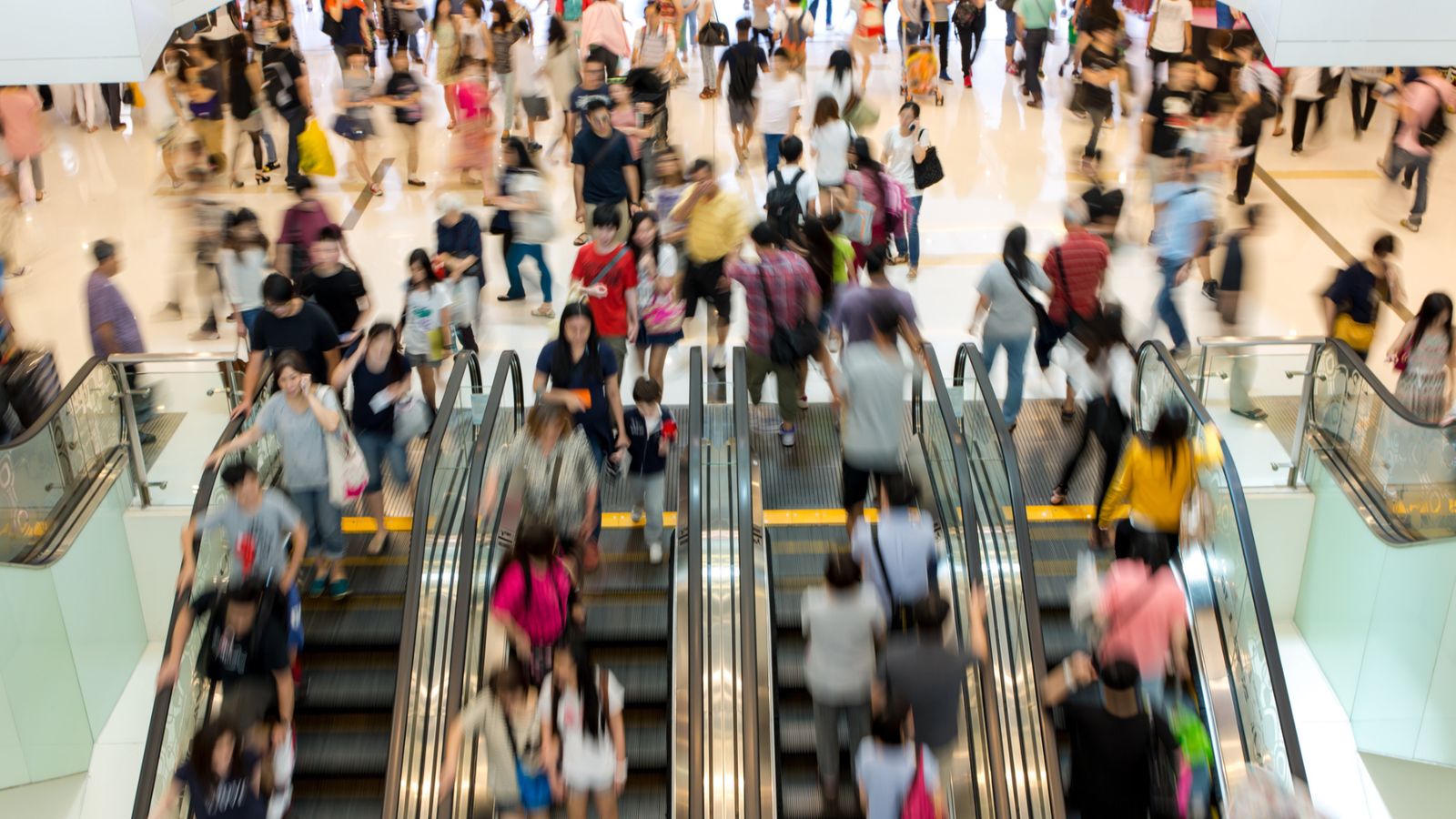
2026 Holiday Season Performance & Consumer Activity Recap In a controversial, turbulent year for retail, join us as we analyze an impressive holiday performance from brands and consumers alike. Taking the world by surprise - Holiday 2025 delivered a season full of contradictions: record-setting turnout, a dramatic shift in how consumers shop, and a persistent sense of economic unease simmering underneath the surface. Many retailers worried that earlier-than-ever holiday shopping would cannibalize the traditional Black Friday weekend.
But despite those fears, the numbers proved otherwise.According to National Retail Federation, nearly 203 million U.S. consumers shopped during the five-day stretch from Thanksgiving Day through Cyber Monday – the largest turnout since 2017, when NRF began tracking the five-day period’s shopping total, and about 6 million more shoppers than last year.What did change, however, was where those shoppers chose to spend. Far more consumers opted to shop online rather than brave crowded stores, a trend accelerated not just by convenience, but by the digital tools shaping discovery and decision-making.
Black Friday Has ChangedEven with the impressive numbers for Black Friday, Circana’s Chief Retail Advisor, Marshal Cohen, told Retail Dive that “The Black Friday that we have come to know and love has changed,” And he’s right—doorbusters and long lines may never fully return as online shopping dominates the consumer mindset.According to Digital Commerce 360, Black Friday ecommerce sales increased 30.7% in 2025 versus 2020, with more than $8.6 billion spent by 6:30 pm. But this year’s most revealing shift was the impact of AI-driven shopping behavior. Consumers using generative AI, whether for gift recommendations, price comparisons, or curated search, were 38% more likely to complete a purchase than those who did not.
AI didn’t just guide shoppers; it converted them.Another powerful driver was Buy Now, Pay Later (BNPL). On Black Friday alone, BNPL purchases accounted for $747.5 million in ecommerce spending, representing 6.3% of all digital sales. For many households, BNPL has become a tool for managing rising prices and stretching budgets, but it also signals deeper financial strain.Despite strong sales, actual units sold remained flat or even declined.
In other words: shoppers didn’t necessarily buy more; they simply paid more. Perseverance through economic uncertainty - Caila Schwartz, Director of Consumer Insights at Salesforce, noted that while U.S. Black Friday sales hit $18 billion—a 3% year-over-year increase—the average selling price for goods rose 7%, signaling that inflation, not volume, drove much of the growth.RetailNext’s global manager of advanced analytics, Joe Shasteen, told Forbes that consumers are becoming increasingly deliberate: “The story isn’t just that shoppers stayed home; it’s that they’re changing how and when they shop.
We’re seeing a consumer who is still spending but doing it with surgical precision. They’re waiting for the right price, stretching purchases across a longer promo window, and walking into stores with a far narrower mission than we’ve seen in past holiday seasons.”— Caila Schwartz, Director of Consumer Insights at Salesforce Beneath the strong topline numbers lies an uneasy consumer environment. Rising prices, higher debt loads, and declining sentiment create a complicated picture for 2026.
This strategic, price-sensitive shopping behavior will define 2026. Consumers are no longer impulse buying or browsing casually. They arrive with a plan, often one shaped by AI tools, social media recommendations, and early promotional calendars.And with economists warning about the mounting risks of BNPL debt, retailers should expect a potentially softer Q1 as consumers face repayment cycles from holiday splurges.
What can retailers learn in 2026? While uncertainty remains, a theme heading into the new year, the 2025 season revealed several actionable insights retailers can use now to strengthen their 2026 holiday strategy.Start Planning NowStarting early isn’t optional anymore. Consumers are beginning their holiday shopping earlier every year.
Retailers must respond by:Finalizing promotional calendars well before fallImproving forecasting accuracy with real-time dataSecuring inventory earlier to avoid supply gapsPreparing marketing assets earlyMake Sure Your Brand Is Discoverable in AIAI placement is the new digital shelf. Consumers are using ChatGPT, Gemini, and retail-specific AI assistants as their first stop for gift ideas and shopping research.If your products, descriptions, and key value propositions aren’t visible to AI tools, you will lose sales without ever knowing it.Key actions for 2026 include:Updating structured product dataEnsuring accurate, SEO- and GEO-friendly descriptionsFeeding AI-ready content through retail partnersMonitoring how AI summarizes or recommends your brandContinue Offering and Refining BNPLLove it or hate it, BNPL is now a core part of the holiday shopping experience. Retailers who don’t offer it risk losing conversion, especially with younger shoppers.However, the challenge for 2026 will be offering BNPL responsibly, with clear communication and transparent terms to avoid consumer backlash or overextension.Create In-Person Experiences Worth Leaving the House ForFoot traffic softened, but it didn’t disappear.
Shoppers will show up if there’s a meaningful reason:Exclusive in-store productsPersonalized gifting stationsFestive experiences or eventsLocalized promotionsEasy pickup and returnsStores that offered convenience, community, or interactivity saw the strongest in-person results in 2025.Strengthen Product Value and Be AuthenticWe’re in an era in which trust drives conversion. In a high-inflation environment, consumers scrutinize every purchase. Authenticity, quality, and value, not gimmicks, win loyalty.Retailers should:Refresh assortments with purpose, not excessEmphasize durability and quality in messagingAlign promotions with real value, not artificial urgencyMaintain transparency around pricing The Only Certainty Is UncertaintyThe 2025 holiday season proved that consumers are resilient but increasingly cautious and data driven.
More from The Gist
Report ·June 24, 2026
The Nostalgia Economy
Brands are betting big on nostalgia. We look at why the fascination with the past has such a massive imprint on the present.
Article ·June 17, 2026
Quiet Luxury in Brick and Mortar
Retail fashion trends come and go. Find out more about one concept that seems to be here to stay - quiet luxury.
Article ·June 10, 2026
Retailtainment and the Gamification of Retail
Step into a world of retailtainment, where customers can do more than shop, they can immerse themselves in playful multi-sensory experiences.